
When a pipe ruptures or a flood fills your living room, water damage is impossible to miss. But what about the quiet, slow drips happening out of sight? Hidden water leaks—occurring inside wall cavities, beneath subflooring, or above ceiling drywall—are among the most destructive issues a property owner can face.
Left undetected, concealed moisture rots structural wood framing, ruins insulation, and breeds toxic mold colonies within 24 to 48 hours. Knowing what to look for can save you thousands of dollars in structural repairs.
Here are five hidden signs that water is trapped behind your walls, along with the immediate steps you should take to protect your property.
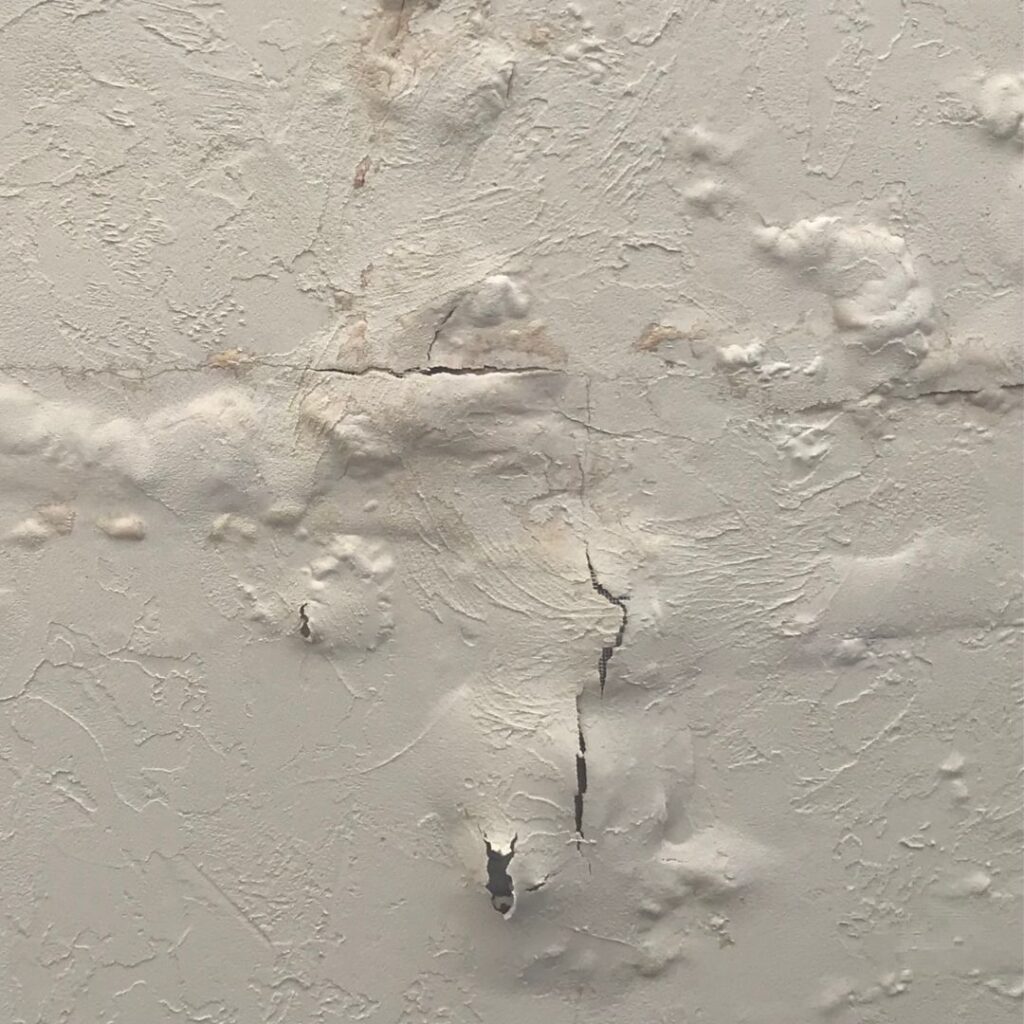
1. Peeling, Bubbling, or Blistering Paint and Wallpaper
Drywall is a porous material composed of gypsum and paper. When water leaks behind a wall, the drywall absorbs the moisture like a sponge. As the water travels outward toward your living space, it breaks down the adhesive holding paint or wallpaper to the surface.
If you notice paint flaking away for no apparent reason, wallpaper blistering, or wall surfaces that feel soft and spongy to the touch, moisture is almost certainly trapped inside the wall cavity.
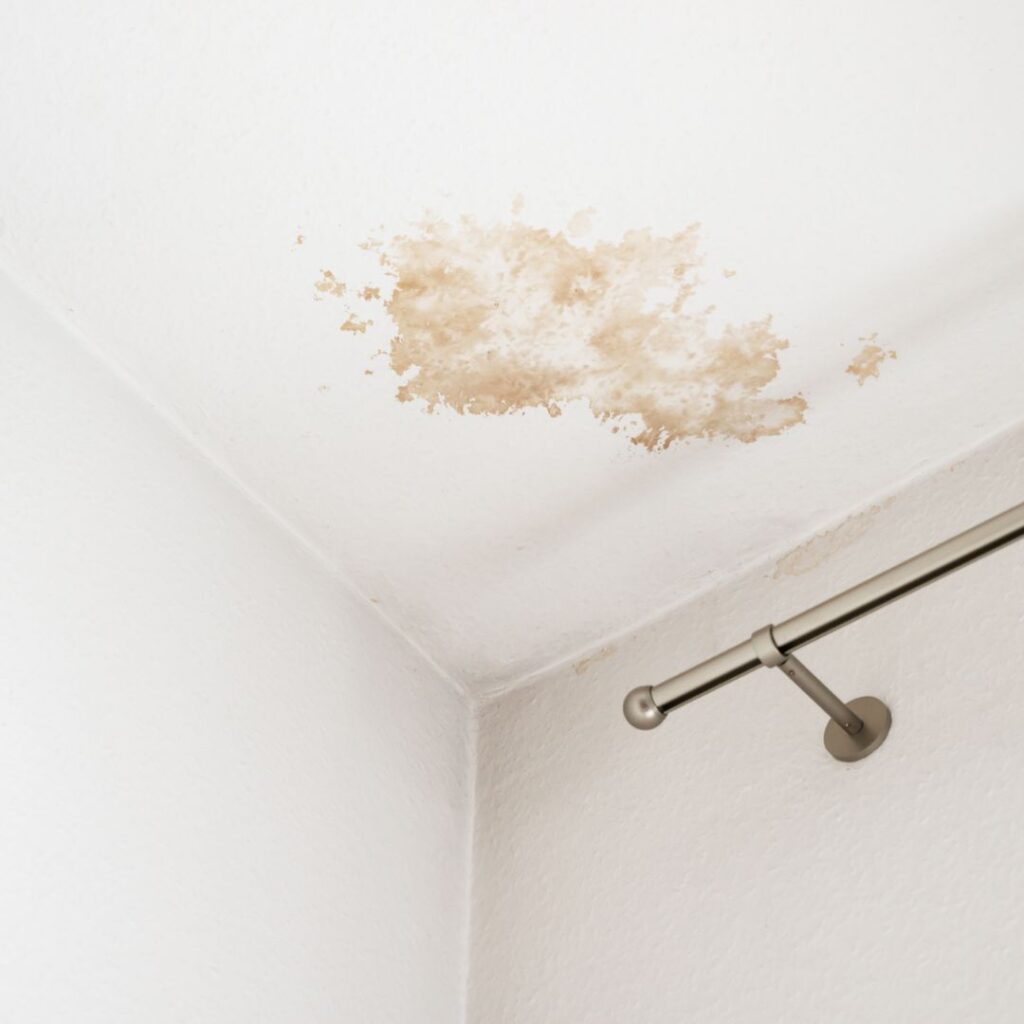
2. Discoloration, Yellow Stains, or Unexplained Water Rings
Water stains on ceilings and walls rarely start out dark and dramatic. In the early stages, hidden water damage appears as faint yellow, light brown, or rusty discoloration. These stains often expand in irregular ring patterns as new water trickles in and dries repeatedly.
If you spot discoloration on an interior wall—especially near bathrooms, laundry rooms, or directly beneath an upper-floor plumbing fixture—investigate immediately rather than painting over it.
3. A Persistent Musty or Damp Odor
Your nose is often your best diagnostic tool when it comes to hidden moisture. Damp drywall, wet insulation, and decaying wood produce a distinct, earthy “basement” smell.
If a specific room or hallway smells damp despite thorough house cleaning, water is likely pooling out of sight. Because mold spores multiply rapidly in warm, dark wall cavities, a musty odor is a strong indicator that fungal growth has already begun.
4. Buckling Baseboards or Warp in Crown Molding
As water settles at the bottom of a wall cavity, it collects along the floor plates and baseboards. Wooden baseboards absorb this standing water, causing the wood to swell, cup, or pull away from the drywall. Similarly, water traveling down from an upper-floor leak can warp crown molding near the ceiling.
If your trim work is warping, popping nails, or separating from the wall, standing moisture has compromised the base of the structure.

5. Unexplained Spikes in Your Monthly Water Bill
If your daily water consumption habits haven’t changed but your monthly utility bill suddenly jumps, a hidden leak is often the primary culprit. A pinhole leak in a supply line inside a wall cavity can waste hundreds of gallons of water per week without causing an obvious surface pool right away.
Monitoring your water meter can help confirm this: turn off all faucets and water-using appliances in your home, then check the meter dial. If the indicator continues to move, water is actively escaping somewhere in your system—likely out of sight behind drywall.
Why DIY Fixes Fail on Hidden Water Damage
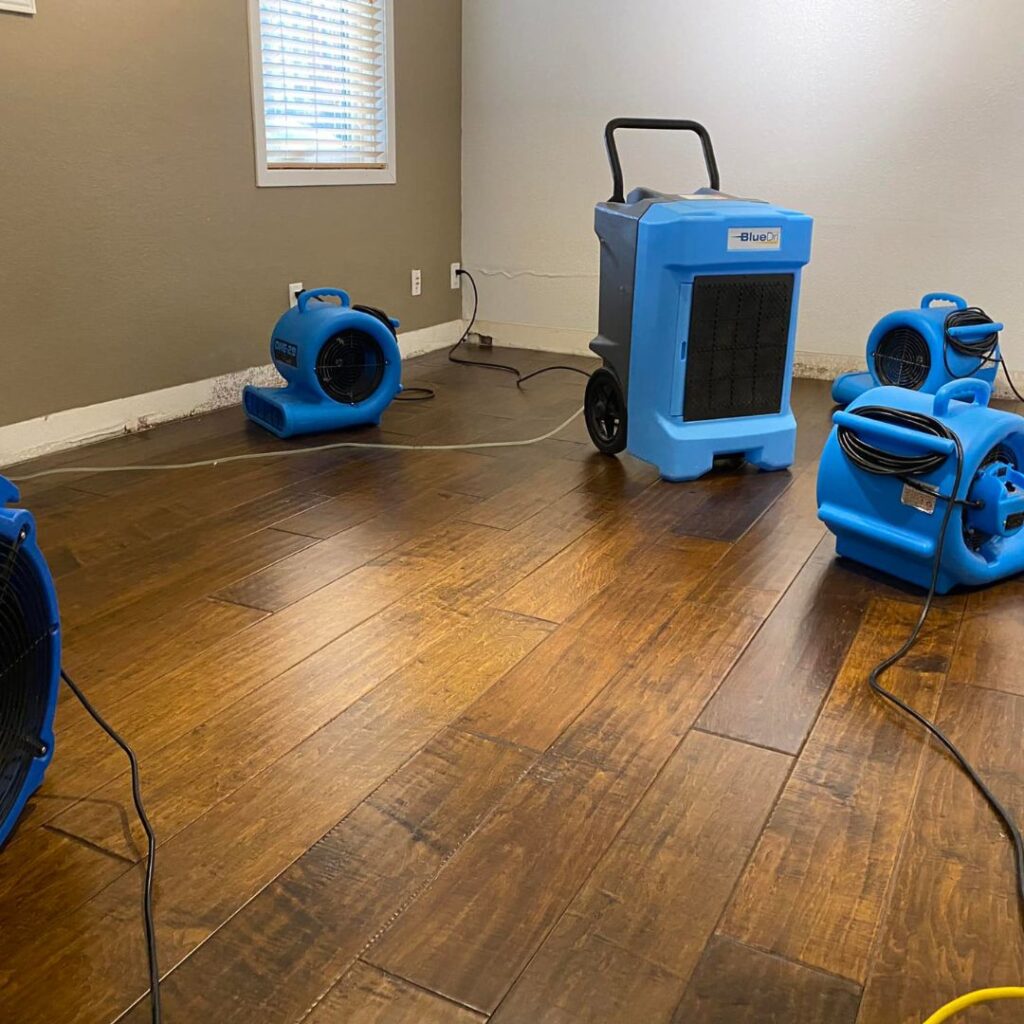
Wiping down a damp wall or placing an electric fan in the room will not dry out the inside of a wall cavity. Trapped moisture requires high-volume air movement, commercial-grade dehumidification, and scientific moisture tracking.
Standard household fans simply circulate air across the surface, leaving wet insulation and damp wood studs trapped behind the drywall. This hidden moisture creates the ideal environment for toxic mold outbreaks and long-term wood rot.
How Best Option Restoration Pinpoints Hidden Moisture
At Best Option Restoration, we don’t guess where water is hidden—we locate it with non-invasive technology.
- Infrared Thermal Imaging: Thermal cameras detect subtle temperature differences caused by evaporative cooling, allowing our certified technicians to map hidden water pathways inside walls without knocking down drywall unnecessarily.
- Non-Invasive Moisture Meters: We measure the exact moisture percentages inside building materials to establish precise drying goals.
- Structural Cavity Drying: Utilizing specialized injectors and commercial dehumidifiers, we force dry, heated air into wall cavities to thoroughly dry the internal framing.
Take Action Before Mold Takes Hold
If you suspect hidden water damage in your home or business, every hour matters. The certified restoration specialists at Best Option Restoration are available 24/7/365 to assess your property, locate the source of moisture, and execute complete structural drying.
Don’t wait for secondary damage to set in. Contact your local Best Option Restoration office today to schedule a comprehensive moisture inspection!