
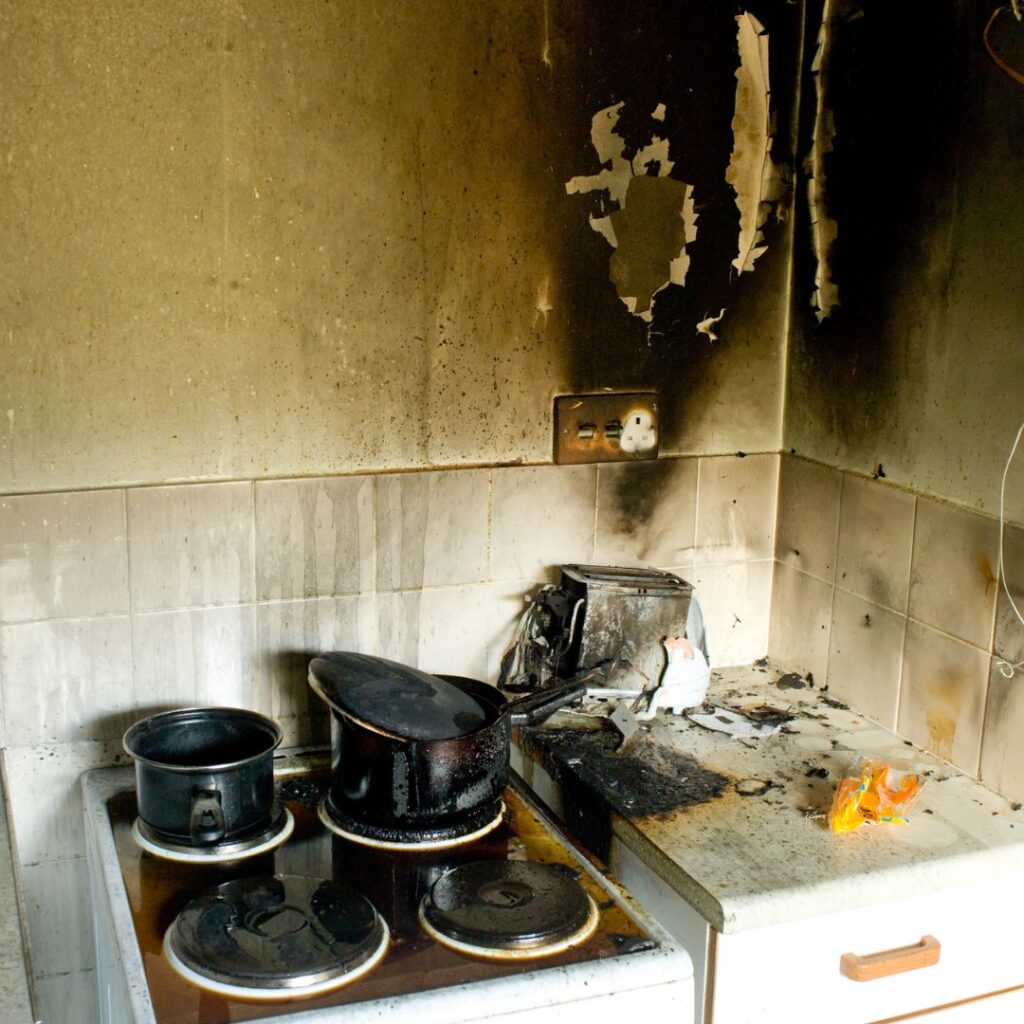
When a fire or flood impacts a home, the damage is rarely limited to what you can see on the surface. Acidic smoke residues, fine soot particles, and contaminated floodwater infiltrate tiny gaps, internal mechanisms, and intricate decorative details.
For years, traditional contents restoration meant hours of tedious hand-scrubbing—a process that often failed to reach hidden crevices and risked scratching or damaging fragile heirlooms.
Today, advanced restoration facilities rely on ultrasonic cleaning, a cutting-edge technology that uses sound waves to clean items at a microscopic level. Here is how this remarkable science works and why it saves personal belongings that used to be considered a total loss.
How Ultrasonic Cleaning Works: The Power of Cavitation
Ultrasonic cleaning relies on high-frequency sound waves transmitted through a specialized, water-based cleaning solution. As these sound waves travel through the liquid bath, they create millions of microscopic vacuum bubbles.
These bubbles undergo a process called cavitation:
- Formation: High-frequency sound waves cause tiny vacuum pockets to form throughout the liquid bath.
- Implosion: As pressure changes, these bubbles collapse inward upon themselves within microseconds.
- Micro-Scrubbing Action: Each implosion releases a intense jet of cleaning fluid at a microscopic scale.
Because millions of these implosions happen every second, the solution acts as an invisible micro-scrubber. It gently pulls soot, grime, mold spores, and corrosive residues away from every surface—including internal channels, threaded screws, and delicate filigree—without abrasive friction or harsh manual wiping.
Because millions of these implosions happen every second, the solution acts as an invisible micro-scrubber. It gently pulls soot, grime, mold spores, and corrosive residues away from every surface—including internal channels, threaded screws, and delicate filigree—without abrasive friction or harsh manual wiping.
What Items Can Be Restored with Ultrasonics?
Ultrasonic cleaning is ideal for hard-surface goods that can be safely submerged in water-based solutions. Common items saved include:
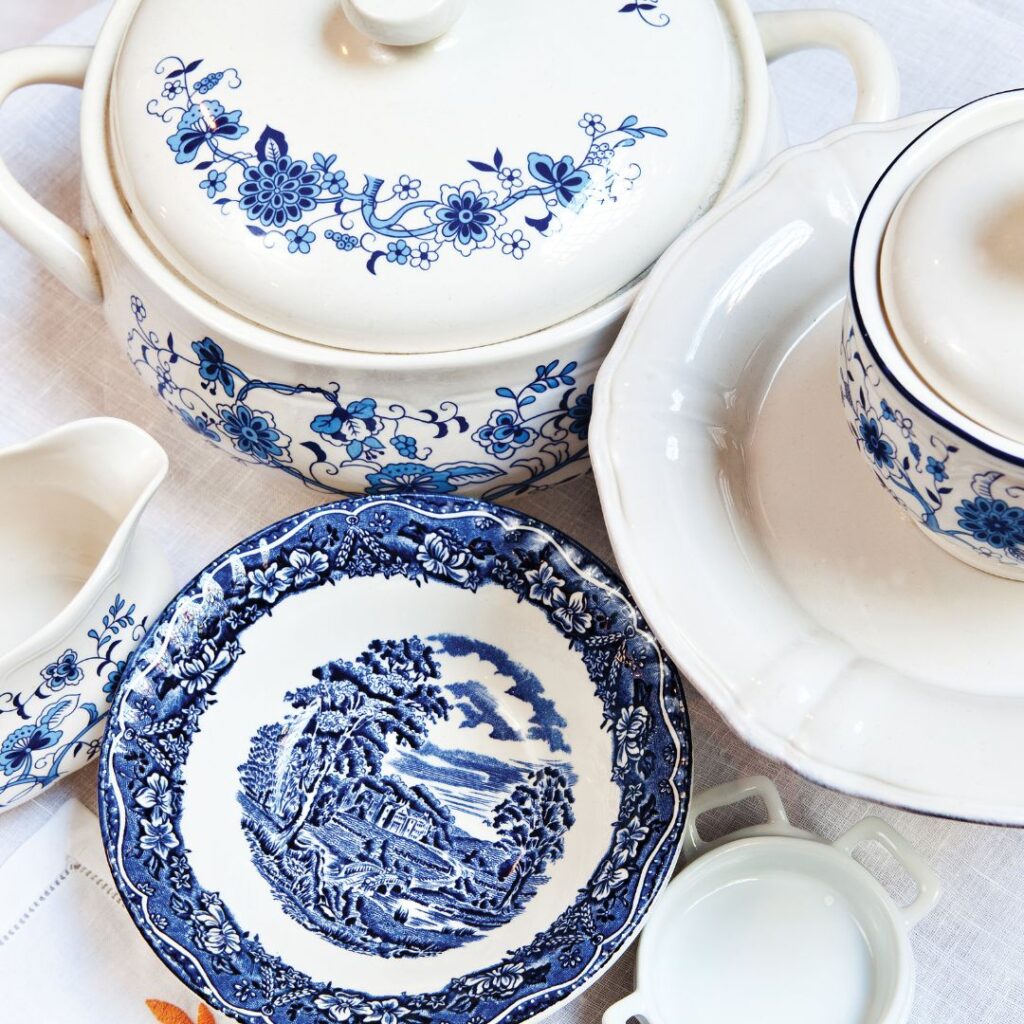
- Fragile Collectibles & Heirlooms: Fine china, porcelain figurines, glass artwork, and antique ceramics.
- Intricate Household Items: Window blinds, chandeliers, metal light fixtures, and decorative hardware.
- Tools & Sporting Equipment: Hand tools, golf clubs, scuba gear, and mechanical parts.
- Electronics & Appliances: Circuit boards, small kitchen appliances, and hand tools (following specialized thermal drying processes).
The Professional Process: Temperature Acclimation & Drying
Ultrasonic restoration requires technical expertise. Placing cold, fire-damaged china directly into a hot ultrasonic bath can cause thermal shock and crack the item.
At Best Option Contents, our trained technicians follow a precise multi-tank protocol:
- Pre-Assessment & Thermal Acclimation: Items are evaluated for water tolerance and brought to ambient temperature before entering pre-soak tanks.
- Frequency & Solution Calibration: Sound wave frequencies and biodegradable cleaning agents are customized based on the item’s material and level of soot contamination.
- Rinsing & Deodorization: Items pass through clean rinse baths to eliminate lifted contaminants and lingering smoke odors.
- Controlled Dehumidification: Items are dried in climate-controlled chambers to prevent flash rust, spotting, or water marks.

Restoring What Matters Most
Before modern ultrasonic technology, fire-damaged heirlooms with intricate details were frequently deemed unsalvageable by insurance adjusters. Today, our advanced ultrasonic systems allow us to clean, sanitize, and return irreplaceable treasures to pre-loss condition.
If your property has suffered fire, smoke, or water damage, don’t throw away your cherished possessions. Contact Best Option Contents today to learn how our advanced contents restoration technologies can save your memories.