
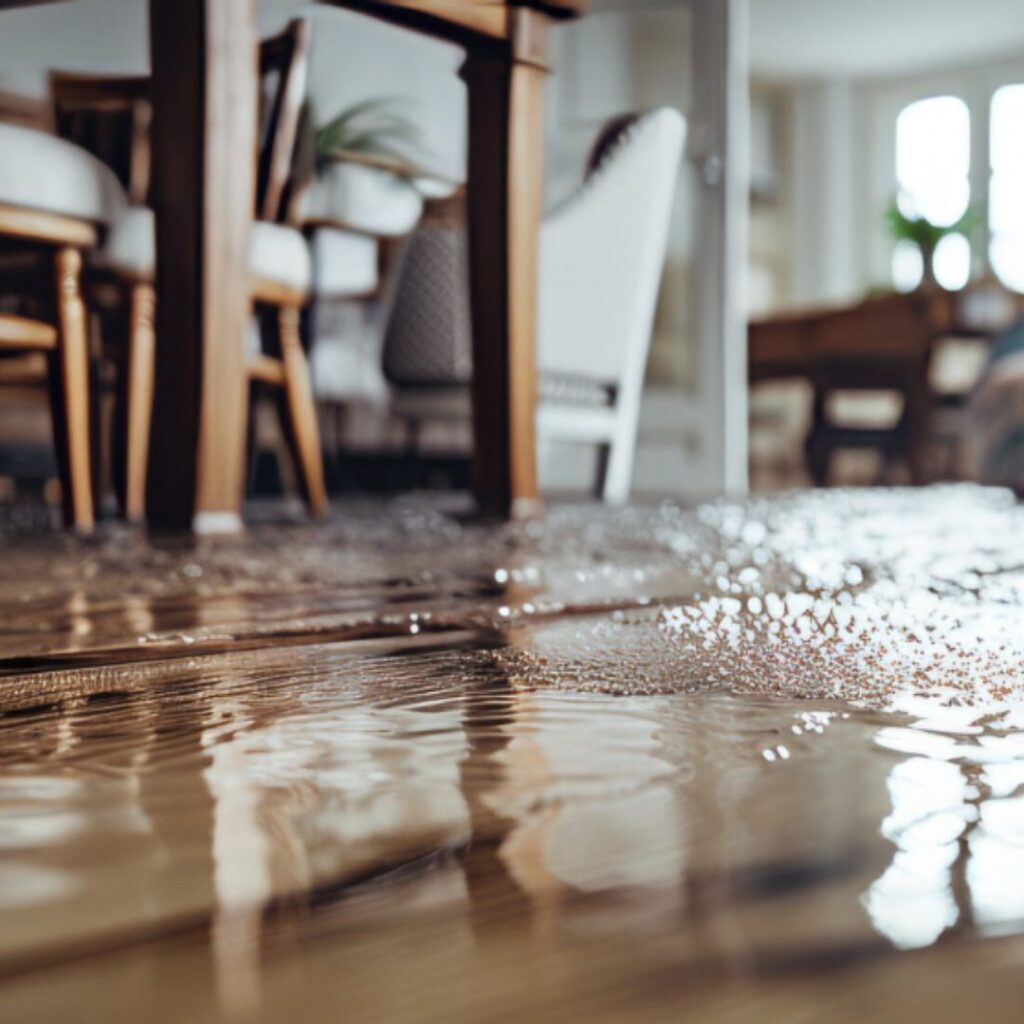
When water enters a home or office, secondary damage happens fast. While furniture and flooring can often be replaced, water-damaged family photo albums, marriage certificates, historical books, and critical business records feel irreplaceable.
As moisture travels through paper fibers, it triggers swelling, ink migration, page warping, and rapid mold colonization within 24 to 48 hours.
The good news? Most water-damaged paper goods and photographs can be successfully saved—provided you act quickly and avoid common DIY drying mistakes.
4 Common DIY Mistakes That Destroy Paper & Photos
When faced with wet photo albums or soaked documents, well-meaning homeowners often try quick fixes that cause permanent, irreversible damage:
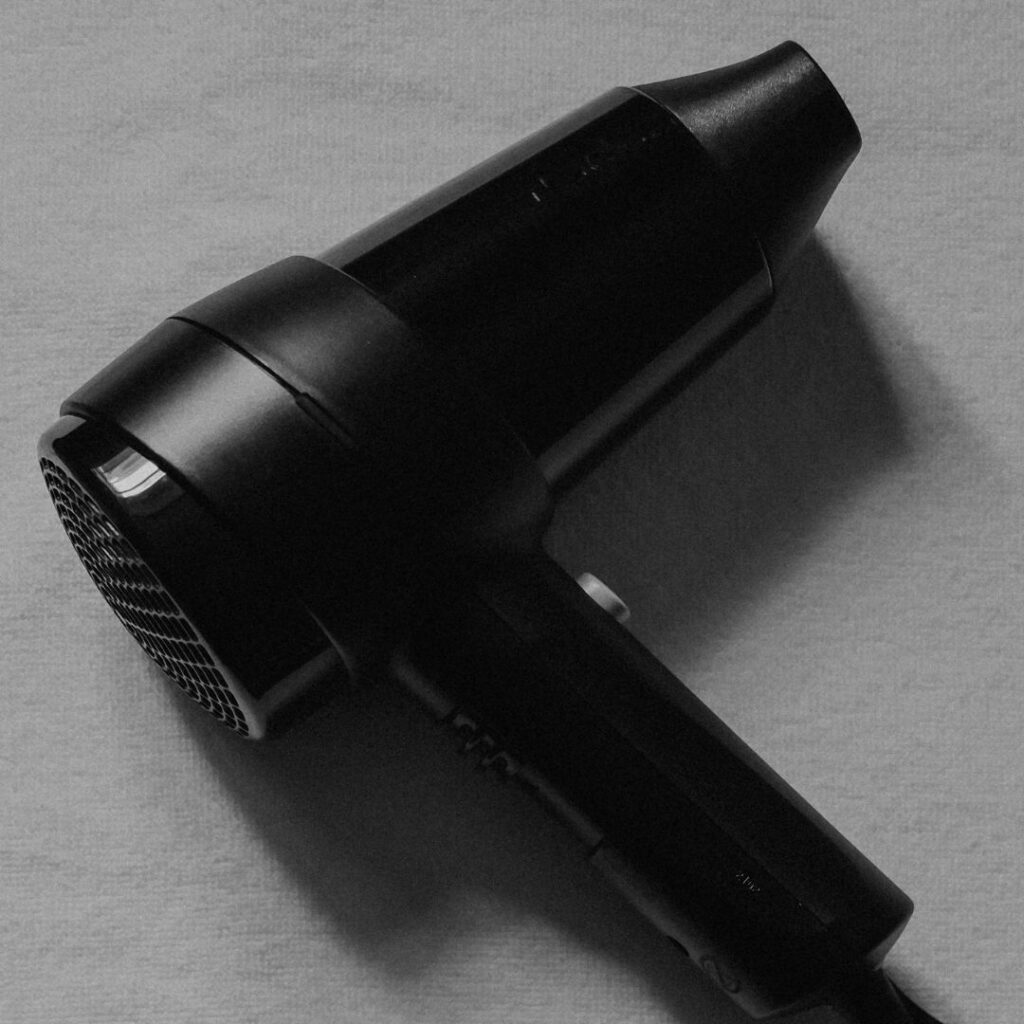
- Using Hairdryers, Heat Guns, or Ovens
Direct heat causes paper fibers to shrink rapidly and unevenly, leading to severe curling, brittle page cracking, and permanent warping. Worse, heat bakes residual moisture and mold spores deep into the paper matrix. - Prying Wet Pages Apart Manually
When paper gets wet, the wood pulp fibers swell and soften. Attempting to peel delicate, wet pages apart causes the paper to tear or strips the printed text right off the page. - Letting Coated Paper Air-Dry Stacked
Glossy magazines, yearbooks, art books, and photo prints are made with clay-coated paper. When wet coated paper dries naturally, the starch and clay adhesives fuse the pages together into a solid, rock-hard block (a process called “bricking”). Once bricked, the pages can rarely be separated without destroying the images. - Rubbing or Wiping Wet Photo Surfaces
The delicate emulsion layer containing the photograph’s image becomes extremely soft when wet. Wiping a wet photo with a paper towel or cloth will literally scratch or rub the image right off the backing.
The Professional Solution: Vacuum Freeze-Drying (Lyophilization)
Restoration professionals do not use heat or standard fans to dry delicate paper. Instead, we use vacuum freeze-drying—the gold standard for document and book recovery used by national archives and museums.
Vacuum freeze-drying relies on a physical process called sublimation:
- Freezing & Stabilization: Wet books, documents, and photos are rapidly frozen down to sub-zero temperatures. Freezing instantly stops mold growth, halts ink bleeding, and prevents pages from sticking together.
- Vacuum Chamber Loading: The frozen materials are placed inside a sealed vacuum chamber.
- Sublimation (Direct Phase Change): Pressure inside the chamber is reduced below atmospheric levels while controlled thermal energy is introduced. This causes the trapped ice to convert directly into water vapor without ever melting back into liquid water.
By completely avoiding the liquid water phase, pages dry flat, coated paper does not fuse together, and mold spores remain dormant.
Immediate First-Aid Steps While Waiting for Professionals
If you discover wet documents, books, or family photographs, follow these stabilization tips before our contents crew arrives:
- Don’t Force Pages Open: Leave wet books closed. Do not attempt to pull stuck pages or photographs apart.
- Rinse Off Mud Gently: If photos or documents are covered in silty floodwater, gently rinse them in a clean bath of cool water. Do not rub or scrub.
- Freeze if Help is Delayed: If professional contents assistance is more than 24 hours away, stack wet documents or books flat, wrap them in wax paper, and place them in a residential freezer. Freezing stabilizes the items and stops mold from growing until professional freeze-drying can be arranged.
Preserving Your Family Legacy
Water damage doesn’t have to mean losing your family history or essential business archives. With rapid response and advanced vacuum freeze-drying technology, our contents restoration specialists can safely recover wet records, photos, and books.
Have water-damaged heirlooms or documents? Call Best Option Contents immediately to discuss emergency document preservation and pack-out services.