
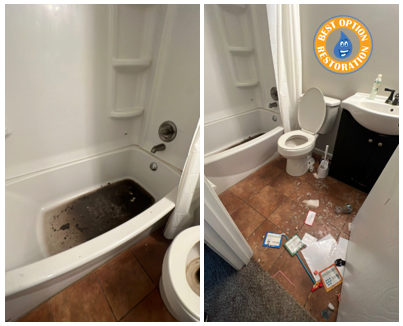
Sewage Backup Cleanup in Northern Kentucky: What Happens Next?
A sewage backup is one of the most unpleasant and potentially hazardous types of property damage a homeowner or business owner can experience.
Whether the problem starts with a backed-up sewer line, clogged drain, plumbing failure, overflowing toilet, or another issue, sewage-contaminated water can spread quickly through floors and other areas of a property.
For property owners in Northern Kentucky, knowing what to do after a sewage backup can help reduce additional damage and get professional cleanup started as quickly as possible.
What Causes a Sewage Backup?
Sewage backups can happen for several different reasons.
Common causes include:
- Clogged or damaged sewer lines
- Blocked drains
- Plumbing failures
- Sewer line breaks
- Heavy rainfall overwhelming drainage systems
- Problems with municipal sewer systems
- Tree roots entering sewer lines
- Backed-up toilets
- Sump pump or drainage problems
Sometimes the cause is obvious. Other times, a sewage backup can occur without much warning.
Regardless of the cause, contaminated water should be treated differently from a typical clean-water leak.
Why Sewage Cleanup Requires Professional Restoration
Sewage-contaminated water can contain bacteria, viruses, microorganisms, and other contaminants. Because of that, cleaning up sewage is not simply a matter of removing the visible water and drying the floor.
Professional sewage cleanup may involve:
- Removing contaminated water
- Containing affected areas
- Removing materials that cannot be safely restored
- Cleaning and disinfecting affected surfaces
- Removing contaminated flooring, drywall, insulation, or other materials when necessary
- Drying remaining structural materials
- Addressing odors
- Cleaning and restoring salvageable contents
- Repairing and reconstructing damaged areas
The appropriate cleanup process depends on the circumstances and the extent of the contamination.
What Should You Do After a Sewage Backup?
If sewage has entered your home or business, your first priority should be safety.
1. Keep People and Pets Away
Keep children, pets, and anyone who does not need to be in the affected area away from the contaminated water.
2. Avoid Contact With the Water
Do not unnecessarily walk through sewage-contaminated water. Avoid touching contaminated materials whenever possible.
3. Be Careful Around Electrical Equipment
If standing water is present near electrical outlets, appliances, wiring, or electrical panels, do not enter the area unless it has been determined to be safe.
4. Stop the Source When Possible
If the cause is a plumbing issue and it is safe to do so, stop using the affected plumbing and contact a qualified plumber to address the source.
5. Contact a Professional Restoration Company
Sewage damage should be addressed promptly. Professional restoration technicians can evaluate the affected areas, determine what materials can potentially be restored, and develop a cleanup and drying plan.
6. Document the Damage
Take photos or videos of the affected areas if it is safe to do so. Documentation can be useful when communicating with your insurance company.
Don’t Just Clean What You Can See
One of the biggest problems with sewage backups is that the visible damage may not tell the entire story.
Contaminated water can move underneath flooring, into drywall, behind cabinets, and into other areas that are not immediately visible.
That’s why a professional assessment is important after a significant sewage backup.
The goal is not simply to make the property look clean. The affected areas need to be properly evaluated, cleaned, and dried, and damaged materials may need to be removed and replaced.
Sewage Cleanup and Reconstruction
In some cases, sewage cleanup is followed by reconstruction.
For example, if contaminated drywall, flooring, baseboards, insulation, or cabinets need to be removed, those materials may need to be replaced after the affected area has been properly cleaned and dried.
This is where having a restoration company that can coordinate both cleanup and reconstruction can make the process easier for the property owner.
Best Option Restoration can help property owners navigate the restoration process from the initial cleanup through the repairs needed to restore damaged areas.
Sewage Backup Cleanup in Northern Kentucky
Best Option Restoration provides property restoration services throughout Northern Kentucky and surrounding communities.
Our service area includes communities throughout Boone, Kenton, and Campbell counties, including:
Florence, Burlington, Union, Walton, Hebron, Erlanger, Independence, Covington, Newport, Fort Mitchell, Fort Wright, Edgewood, Crestview Hills, Villa Hills, Crescent Springs, Alexandria, Highland Heights, Cold Spring, Fort Thomas, Bellevue, Dayton, Elsmere, Ludlow, and surrounding Northern Kentucky communities.
Sewage backups can affect single-family homes, apartments, rental properties, commercial buildings, offices, and other structures.
Regardless of the type of property, prompt professional cleanup can help limit the spread of contamination and reduce the potential for additional property damage.
When You Need Sewage Cleanup, Start With the Right Restoration Team
A sewage backup is stressful, but you do not have to figure out the cleanup process by yourself.
The first step is to keep people and pets away from contaminated areas, avoid unnecessary contact with the water, address the plumbing source when appropriate, and contact a professional restoration company.
Best Option Restoration serves Northern Kentucky and surrounding communities with water damage restoration, sewage cleanup, mold remediation, and reconstruction services.
If sewage has backed up into your Northern Kentucky home or business, contact Best Option Restoration to discuss the damage and determine the next steps for getting your property cleaned, dried, and restored.