
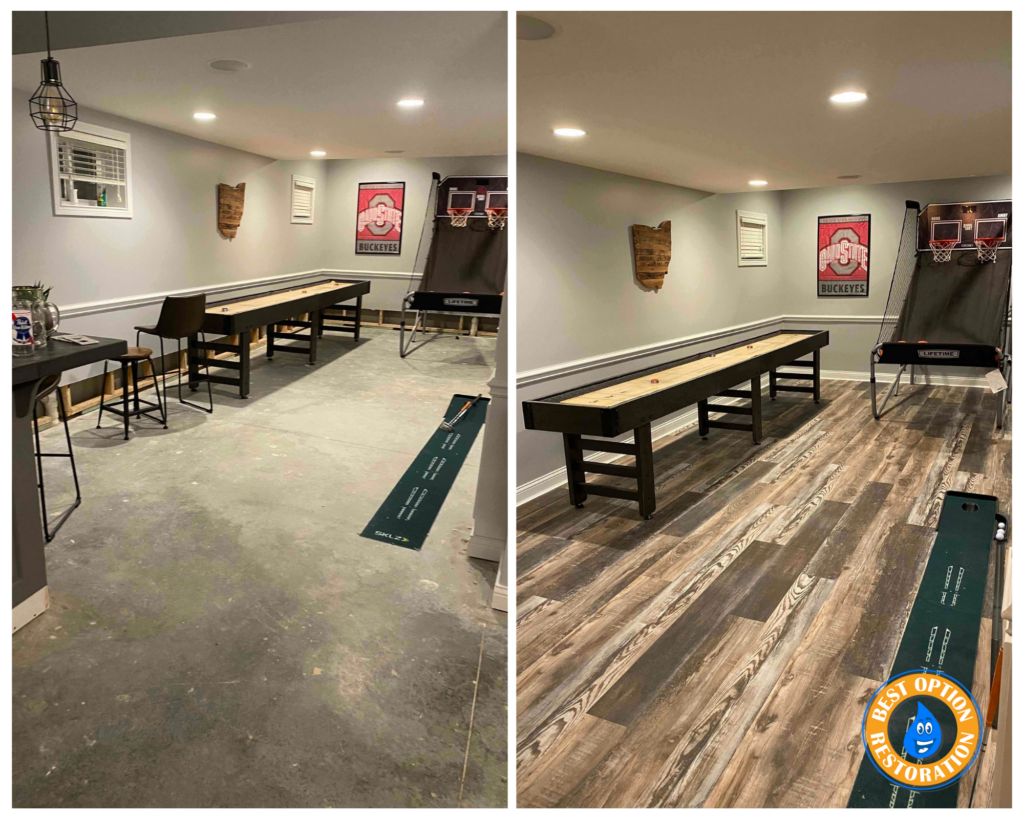
Reconstruction After Water Damage or Mold Remediation: What Happens Next?
When a home or business experiences significant water damage or mold growth, the cleanup is only part of the restoration process. Once the affected areas have been properly dried, cleaned, or remediated, the next step is often reconstruction.
For property owners in Northern Kentucky, understanding what happens after water mitigation or mold remediation can make the entire restoration process less stressful. A professional restoration company can help manage the transition from cleanup to rebuilding so your property can be returned to a safe, functional, and comfortable condition.
What Is Reconstruction After Water Damage?
Water damage can affect much more than carpet or flooring. Depending on how much water entered the property and how long materials were exposed, water can damage drywall, baseboards, insulation, flooring, cabinets, ceilings, trim, and other building materials.
The initial water mitigation process focuses on stopping the source of the water, removing standing water, drying the structure, and addressing materials that cannot be saved.
Once mitigation is complete, reconstruction may be necessary.
Common water damage reconstruction services can include:
- Drywall replacement
- Painting
- Flooring replacement
- Baseboard and trim replacement
- Ceiling repairs
- Cabinet repairs or replacement
- Insulation replacement
- Framing repairs
- Door and finish carpentry repairs
- Bathroom and kitchen repairs
- Other repairs necessary to return the property to its pre-loss condition
The exact scope depends on the extent of the damage and which materials were affected.
Reconstruction After Mold Remediation
Mold remediation and reconstruction are also closely connected.
During mold remediation, affected materials may need to be removed when they cannot be adequately cleaned or restored. Once the source of moisture has been corrected and the affected area has been properly remediated, the property may still need repairs to restore the space.
For example, a mold remediation project could require removal of sections of drywall, insulation, flooring, or other building materials. After remediation is completed, those areas may need to be rebuilt and refinished.
That is why property owners should think about restoration as a complete process rather than viewing cleanup and reconstruction as two completely unrelated projects.
Why Choosing One Restoration Company for Cleanup and Reconstruction Can Help
One of the biggest challenges after property damage is coordinating multiple contractors.
A homeowner may have one company performing water extraction, another contractor replacing drywall, another company installing flooring, and another contractor handling painting and finish work.
That can create unnecessary communication problems.
When the same restoration company can coordinate both the mitigation and reconstruction portions of a project, there is a clearer connection between the original damage and the repairs that follow.
At Best Option Restoration, our goal is to help property owners move through the restoration process as efficiently as possible—from the initial damage through the cleanup and, when needed, the reconstruction.
What Should You Do After a Water Loss?
If your Northern Kentucky home or business experiences water damage, there are several important steps you can take while waiting for professional help:
- Address the source of the water if it is safe to do so. Turn off the water supply or contact a qualified plumber when necessary.
- Stay away from electrical hazards. Do not enter areas where standing water may have come into contact with electrical equipment.
- Remove valuable items from affected areas when it is safe.
- Avoid unnecessary foot traffic through wet areas. Walking through affected areas can spread contamination or cause additional damage.
- Document the damage. Photos and videos can be helpful when communicating with your insurance company.
- Contact a professional restoration company as soon as possible.
The sooner water damage is addressed, the sooner the drying and restoration process can begin.
Serving Northern Kentucky Communities
Best Option Restoration provides property restoration services throughout Northern Kentucky and surrounding communities, including areas throughout Boone County, Kenton County, and Campbell County.
Our service area includes communities such as:
Florence, Burlington, Union, Walton, Hebron, Erlanger, Independence, Covington, Newport, Fort Mitchell, Fort Wright, Edgewood, Crestview Hills, Villa Hills, Crescent Springs, Alexandria, Highland Heights, Cold Spring, Fort Thomas, Bellevue, Dayton, Elsmere, Ludlow, and surrounding Northern Kentucky communities.
Whether the property is a home, apartment, commercial building, rental property, or other structure, water damage and mold-related repairs can require more than simply removing the damaged materials. Proper reconstruction is an important part of bringing the property back to its pre-loss condition.
From Mitigation to Reconstruction
Property damage can be overwhelming, especially when you are unsure what happens after the initial cleanup.
Water extraction and drying may be the first steps, but the restoration process does not necessarily end there. When drywall, flooring, ceilings, cabinets, trim, or other building materials have been damaged or removed, reconstruction may be necessary to complete the job.
If your Northern Kentucky property needs reconstruction after water damage or mold remediation, Best Option Restoration can help you understand the next steps and coordinate the repairs needed to restore your property.
When disaster strikes, our goal is simple: help you move from damage and disruption back toward a safe, comfortable, and functional property.
Best Option Restoration serves Northern Kentucky and surrounding areas for water damage restoration, mold remediation, and reconstruction services. Contact our team when you need help getting your property back to normal.
Follow us!