
Many homeowners assume attic mold is mostly a problem in humid climates, not in a place like Colorado Springs. But attic mold can still become a serious issue here when moisture gets trapped above the living space and does not dry out properly. In many cases, the problem starts quietly. A small roof leak, wet insulation, poor ventilation, or a bathroom fan venting into the attic can create the right conditions for mold growth long before the homeowner notices anything from below.
That is what makes attic mold so frustrating. It often stays out of sight while moisture continues affecting roof decking, rafters, insulation, and surrounding materials. By the time there is a musty odor, staining, or concern about indoor air quality, the problem may already be more advanced than expected.
At Best Option Restoration of Colorado Springs, we help homeowners deal with hidden moisture, water damage, and mold problems that are not always obvious at first. Attic mold is one of the clearest examples. It may be above your ceiling, but it can still affect the condition of your home and the air moving through it.
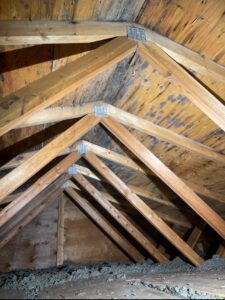
Why attic mold happens in Colorado Springs homes
Colorado’s climate is dry overall, but dry air does not prevent mold when moisture is repeatedly introduced into an enclosed space. Mold needs moisture to grow. Once attic materials stay damp long enough, mold can begin spreading on wood, insulation, drywall, dust, and other surfaces.
One of the most common causes is a roof leak. Water can enter through damaged shingles, flashing problems, penetrations around vents, or other vulnerable areas. Even a slow leak can keep insulation and wood materials damp enough to support mold growth over time.
Another common issue is poor attic ventilation. When airflow is inadequate, moisture can build up and remain trapped instead of drying out. Condensation may form on cooler surfaces, especially when temperature differences create repeated moisture cycles.
Improper exhaust venting is another big one. In some homes, bathroom fans, kitchen vents, or dryer vents discharge moist air into the attic instead of outdoors. That moisture has to go somewhere, and the attic often ends up absorbing the damage.
Wet or compacted insulation can also make the problem worse. Once insulation holds moisture, it loses effectiveness and may continue keeping nearby materials damp instead of helping regulate the space.
Signs you may have mold in the attic
Attic mold is not always discovered by looking directly at the attic first. Often, homeowners notice warning signs somewhere else in the home.
A musty odor is one of the most common clues. If part of the home smells damp or stale and the source is not obvious, attic moisture may be part of the issue.
Staining on ceilings or upper walls can also be a red flag, especially if it appears near roof lines, vent penetrations, or around areas where water might be entering from above.
You may also notice insulation that looks damp, matted, or discolored. In more advanced cases, wood framing or roof sheathing may show dark spotting, visible mold growth, or areas that appear chronically damp.
Some homeowners first become suspicious because the home feels more humid than it should, or because allergy-like symptoms seem worse indoors. Attic mold can remain out of sight while still creating a problem that affects the overall environment of the house.
Why attic mold is more than a surface problem
One mistake homeowners make is assuming attic mold is just a cosmetic issue on wood surfaces. In reality, attic mold usually points to an ongoing moisture problem that has not been fully resolved.
If the moisture source is still active, simply cleaning the visible mold will not solve the real problem. Mold can return if the roof leak, ventilation issue, or exhaust problem is still there. In some cases, contaminated insulation or other affected materials may also need to be removed and replaced.
That is why a good attic mold response is not only about removing growth. It is about identifying why the attic got wet in the first place, how far the moisture spread, what materials were affected, and what needs to be corrected to reduce the chance of recurrence.
Common attic mold causes homeowners overlook
Some attic mold cases begin with an obvious leak. Others come from issues homeowners rarely think about.
Bathroom exhaust fans vented into the attic instead of outside are a major example. Every shower adds moisture. If that warm, humid air is sent into an enclosed attic space, mold conditions can build gradually.
Disconnected or poorly sealed ductwork can also contribute moisture problems. The same goes for condensation around attic HVAC components or other mechanical systems located in the space.
Older homes may also have attic areas with poor airflow, insufficient ventilation, or insulation patterns that allow repeated moisture buildup. What looks like a dry-climate home from the outside can still have a damp attic problem above the ceiling.
What professional attic mold remediation should address
A proper attic mold job should start with identifying the moisture source. Without that step, the cleanup is incomplete from the beginning.
The next step is assessing what materials are affected. That may include roof decking, rafters, insulation, drywall, stored contents, or other building components. Some materials can be cleaned and treated. Others may need to be removed if the damage is too extensive.
From there, the focus should be on containment, cleanup, drying, and correcting the conditions that allowed mold to grow. Depending on the situation, that may include addressing leaks, improving ventilation, removing unsalvageable insulation, or restoring damaged materials.
At Best Option Restoration of Colorado Springs, our team responds to hidden moisture and mold issues with a full-service restoration mindset. That means looking beyond the visible mold itself and focusing on the cause, the affected materials, and the steps needed to help return the property to a safer, drier condition.
When to call for help
If you see visible mold in the attic, smell musty odors, notice wet insulation, suspect a roof leak, or have reason to believe moisture is building above your ceiling, it is a good time to get the space evaluated.
The longer attic moisture is allowed to continue, the greater the chance of larger repairs, damaged materials, and a more involved mold remediation project. Acting early can help limit the spread and reduce the scope of the work.
Need attic mold remediation in Colorado Springs?
If you suspect attic mold, hidden moisture, or water damage above your home, Best Option Restoration of Colorado Springs is ready to help. We provide water damage restoration, moisture detection, mold remediation, and full-service restoration support for homes and businesses throughout Colorado Springs.
Whether the problem started with a roof leak, wet insulation, poor ventilation, or moisture that has been building unnoticed over time, our team can help identify the issue and move the property toward recovery.
Need help with attic mold, hidden moisture, or water damage in Colorado Springs? Contact Best Option Restoration of Colorado Springs to schedule an inspection.