
Mold Remediation & Water Damage in Colorado Springs: What HB19-1170 Means for Homeowners, Landlords, and Renters
It usually starts small — a faint musty smell in the basement, a soft spot in the drywall behind the washer, a dark patch creeping up the bathroom wall. In Colorado Springs, where summer monsoons, spring snowmelt, and freeze-thaw pipe bursts are part of life at altitude, that small sign can turn into a major mold and water damage problem fast. And if you rent out property here, Colorado law now gives you a deadline measured in hours, not weeks, to deal with it.
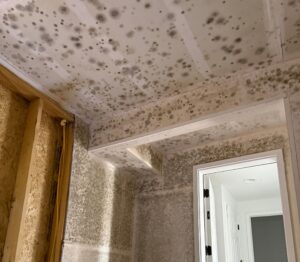
Whether you own your home, manage a portfolio of rentals, run an Airbnb in Old Colorado City, or rent an apartment off Academy Boulevard, this guide explains what Colorado’s HB19-1170 requires — and how to protect your property, your health, and your wallet when water and mold show up.
This article is general information, not legal advice. For how the law applies to your situation, consult a Colorado attorney.
Quick Summary of HB19-1170
Colorado’s HB19-1170 (the Residential Tenants Health and Safety Act, effective August 2,
2019) made mold and dampness conditions that can render a rental legally uninhabitable. After a tenant gives written or electronic notice, a landlord generally has 96 hours to mitigate the immediate mold risk — containment, stopping the water source, and HEPA air filtration — and must complete full remediation within a reasonable time. The most serious health or safety conditions carry a 24-hour clock. Miss the deadline and tenants can repair-and-deduct, seek rent reductions, or end the lease.
What Is HB19-1170, and Why Should Colorado Springs Property Owners Care?
Every residential lease in Colorado includes an implied “warranty of habitability” — a baseline promise that the property is safe and fit to live in. HB19-1170 strengthened that warranty in two major ways. First, it added mold associated with dampness (and other damp conditions) to the list of things that can make a rental legally uninhabitable. Second, it set firm, fast timeframes for landlords to respond once a tenant gives notice, and expanded what tenants can do if a landlord drags their feet. Colorado tightened these protections again with follow-up legislation in 2024, so the direction is clear: faster response, stronger enforcement.
For anyone responsible for property from Briargate to Security-Widefield, that makes a fast, professional response to water damage in Colorado Springs not just good practice — it’s a legal obligation.
The Response Deadlines: 24 Hours vs. 96 Hours
This is where landlords most often slip up, because the law sets different clocks for different conditions. Once a tenant provides reasonably complete written or electronic notice (yes, email counts) and, where required, permission to enter:
- 24 hours — to begin remedial action when the condition materially interferes with the tenant’s life, health, or safety (the most serious cases).
- 96 hours — to begin remedial action when the premises is uninhabitable or unfit and the tenant included permission to enter with the notice.
- 96 hours (mold specifically) — for mold associated with dampness, to mitigate the immediate risk: install containment, stop the active water source feeding the mold, and run a HEPA air filtration device to reduce exposure. Containment stays up until proper remediation is finished, and full remediation must follow within a reasonable time.
Minor surface mold in places that naturally get damp — like shower grout — is generally excluded. The trigger is moisture-driven mold that materially affects health or safety.
What This Means for You — by Situation
Homeowners
You’re not bound by the landlord deadlines, but the same physics apply: mold can take hold within 24–48 hours of water intrusion. A burst supply line in a Black Forest home can mean emergency burst pipe damage repair, and a monsoon roof leak in Cimarron Hills can quietly soak insulation and framing long before you see a stain. Acting quickly on water damage protects your health and keeps a small repair from becoming a gut-out.
Landlords and Property Managers
If you own or manage rentals — a single condo near UCCS, or dozens of doors across 80909, 80916, and 80918 — a tenant’s emailed mold complaint starts a legal clock. Four days is not much time to find a reputable crew, build containment, and source HEPA equipment from scratch. The managers who stay compliant are the ones who already have a mold removal company near them on speed dial before the complaint ever lands.
Airbnb and Short-Term Rental Hosts
A musty smell or a mold photo in a guest review can tank your listing and trigger refunds overnight. Short-term hosts in Manitou Springs and Old Colorado City face the same habitability expectations plus a public-facing reputation on the line. Fast, documented remediation protects both your guests and your ratings.
Renters
If you’re renting in Colorado Springs and you spot mold or persistent dampness, put your complaint in writing or email — that’s what starts your landlord’s legal clock under HB19-1170. Keep a copy, take dated photos, and note when you sent it.
A Landlord’s Checklist When a Mold or Water Complaint Comes In
- Respond fast. Treat any written or emailed mold or moisture complaint as a legal deadline, not a routine maintenance ticket.
- Fix the source, not just the symptom. Stop the water intrusion — roof leak, plumbing failure, or foundation seepage — because cosmetic cleanup alone lets mold return.
- Contain and filter properly. The law names containment and HEPA filtration — this is professional mold remediation, not a bottle of bleach.
- Document everything. Record when notice arrived, when you acted, and what was done. Documentation is your best protection in a dispute.
- Don’t retaliate. The law bars retaliating against tenants for good-faith habitability complaints and attaches monetary damages if you do.
What Happens If You Miss the Deadline
Miss the required timeframe after proper notice and tenants gain real leverage: they may repair the problem and deduct the cost from rent, pursue rent reductions, or terminate the lease, and county courts can grant injunctive relief. If the same condition recurs within six months of being fixed, the tenant can end the lease on 14 days’ notice. Ignoring a mold complaint is far more expensive than handling it correctly the first time.
Why Colorado Springs Homes Are Especially Prone to Water Damage and Mold
Our climate practically manufactures the damp conditions this law targets. Summer monsoon storms send flash flooding and roof leaks across the Powers Corridor and Stetson Hills. Spring snowmelt pushes water into basements and crawl spaces in Monument and Black Forest, where basement water damage cleanup becomes a seasonal reality. Sharp temperature swings at 6,000-plus feet freeze and burst pipes in winter. Add older housing stock in Old Colorado City and the result is that water intrusion — the root cause of nearly all indoor mold — is a year-round risk here, from Fountain to Briargate. For property owners, that means planning for mold and water damage, not hoping to dodge it.
How Best Option Restoration of Colorado Springs Helps You Stay Compliant
Hitting a 96-hour deadline is far easier with a professional team already on call. As a local provider of water damage restoration and mold remediation in Colorado Springs, Best Option Restoration of Colorado Springs helps homeowners, landlords, property managers, and short-term hosts respond the right way, fast:
- Rapid 24/7 emergency response and water extraction services when water strikes or a tenant complaint starts the clock
- Moisture and leak inspections to find and stop the water source behind the mold
- Proper containment and HEPA filtration in line with what the statute describes
- Professional mold removal and mold remediation — including black mold — not surface cover-ups
- Clear documentation of the work performed for your records and insurance
We serve homeowners and property owners across Colorado Springs, Manitou Springs, Fountain, Security-Widefield, Monument, Black Forest, Briargate, Old Colorado City, and Cimarron Hills. If a tenant or guest has ever searched “mold removal company near me” out of frustration, that’s a sign the response wasn’t fast enough — and the simplest fix is having a trusted partner lined up before a problem starts.
Need emergency water damage restoration in Colorado Springs right now — or want a restoration partner on call before you ever do? Call Best Option Restoration of Colorado Springs at 719-619-8616, 24/7. We offer free inspections, fast local response, professional mold remediation and black mold removal, and we work directly with your insurance. One call protects your property, your tenants, and your peace of mind.
Frequently Asked Questions
How fast does a mold remediation company in Colorado Springs need to respond under HB19-1170?
After a tenant gives reasonably complete written or electronic notice, a landlord generally has 96 hours to mitigate the immediate mold risk — containment, stopping the water source, and HEPA filtration — then must complete full remediation within a reasonable time. Conditions that materially threaten life, health, or safety can carry a 24-hour clock. That’s why many Colorado Springs property owners keep a mold removal company near them on call.
Does mold make a rental uninhabitable in Colorado?
It can. Under HB19-1170, mold associated with dampness (or another damp condition) that would materially interfere with a tenant’s health or safety can render the premises legally uninhabitable. Minor surface mold on surfaces that normally get damp, like shower grout, is generally excluded.
Is black mold covered under HB19-1170?
The law doesn’t single out a color or species — it covers mold associated with dampness that would materially interfere with a tenant’s health or safety. So-called black mold from a moisture problem falls squarely within that, and the duty to mitigate and remediate applies. Because the health concerns are serious, professional black mold removal is strongly recommended over DIY cleanup.
What’s the difference between mold removal and mold remediation?
Mold removal is physically taking out the visible mold. Mold remediation is the full process — containing the area, removing affected materials, fixing the underlying moisture source, cleaning and filtering the air, and verifying the space is safe. HB19-1170’s containment-and-HEPA requirements describe remediation, which is why professional water damage restoration is the reliable way to comply.
How much does mold remediation cost in Colorado Springs?
Cost depends on how far the moisture has spread, the materials affected, and whether the water source still needs repair — which is exactly why fast action keeps costs down. The most reliable way to know is a professional inspection. Best Option Restoration of Colorado Springs offers free inspections so you get a clear scope before any work begins.
For a detailed breakdown, see our guide to mold remediation cost in Colorado Springs.
Does an email count as legal notice to a landlord?
Yes. HB19-1170 specifically allows tenants to provide reasonably complete notice in writing or electronically, so an email documenting the mold or moisture condition can start the landlord’s response clock. Keep a copy and add dated photos.
Who pays for mold remediation in a Colorado rental?
When mold results from a condition the landlord is responsible for maintaining — such as a roof leak, plumbing failure, or foundation moisture — the landlord is generally responsible for remediation under the warranty of habitability. Specific facts vary, so consult an attorney for your situation.
If a covered event caused the damage, mold remediation is often part of the claim — see our guide to whether homeowners insurance covers water damage in Colorado Springs.