
Water damage in a home does not always end when the visible water is gone. In many cases, the bigger problem is the moisture left behind inside walls, under flooring, around insulation, or in crawl spaces, attics, and other hidden areas. That trapped moisture can continue affecting building materials long after the surface looks dry.
For homeowners in Colorado Springs, hidden moisture is one of the biggest reasons a small water issue turns into a larger restoration problem. A slow leak, appliance issue, plumbing problem, overflow, roof leak, or past water event can leave moisture where it is not easy to see. Over time, that can lead to staining, odors, damaged materials, and mold growth.
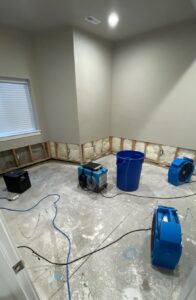
If you are concerned about water damage in Colorado Springs, here are seven signs hidden moisture may be turning into a bigger problem.
1. A musty odor that does not go away
A lingering musty smell is often one of the first warning signs that moisture may still be trapped somewhere in the home. Even when walls, floors, or ceilings appear dry, moisture behind the surface can continue creating the conditions that allow mold to develop.
If an odor keeps returning in the same room, hallway, crawl space, basement, attic, or near a vent, it is worth taking seriously.
2. Bubbling paint, staining, or warped baseboards
Moisture often shows up around lower walls and trim before homeowners realize how far the issue has spread. Bubbling paint, peeling texture, soft drywall, staining, swollen trim, or warped baseboards can all be signs that water has moved behind the wall or stayed in the material longer than expected.
These are common clues that a water damage problem may not be fully resolved.
3. Damage around vents, ceiling edges, or wall penetrations
Hidden moisture is often found around areas where building materials meet, especially near vents, registers, ceiling transitions, and wall penetrations. These areas can hold moisture longer than expected and may later show discoloration, staining, or suspected mold.
When a stain or moisture concern keeps showing up around the same spot, it usually means the underlying issue still needs to be addressed.
4. Discolored or contaminated insulation
Insulation can hold moisture and hide the early signs of a larger problem. In attics, crawl spaces, and wall cavities, wet or discolored insulation may point to a leak, condensation issue, humidity problem, or an older water event that was never fully dried.
When insulation has been affected, it is often a sign that moisture has reached farther than what is visible on the surface.
5. A leak that seemed minor
One of the most common mistakes homeowners make is assuming the damage ended once the visible water dried up. A small leak under a sink, around a refrigerator line, behind a washing machine, near a shower, or from a roof issue can still leave enough hidden moisture to affect drywall, insulation, sub-flooring, or framing.
What seems minor at first can lead to a much bigger restoration issue if the moisture source is not identified and the affected materials are not properly evaluated.
6. Concerns found during a home inspection
Home inspections often uncover staining, moisture concerns, or possible mold in places homeowners rarely look. Attics, crawl spaces, around vents, behind stored items, and along lower wall sections are common areas where issues are discovered.
If a home inspection report mentions possible mold, suspicious staining, or moisture intrusion, that is usually a sign the area needs a closer look. It does not always mean the damage is severe, but it does mean the concern should not be ignored.
7. The same area keeps showing signs of trouble
If the same wall, ceiling, corner, or floor keeps showing odor, staining, dampness, or visible changes, there is usually an unresolved moisture source. Cleaning the area, repainting it, or covering it up may improve how it looks temporarily, but it will not solve the actual cause.
Recurring issues are one of the clearest signs that hidden moisture is still present.
Why Hidden Moisture Matters
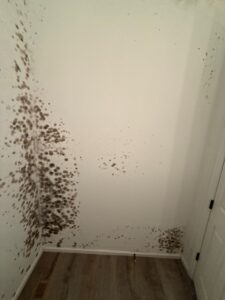
When moisture stays trapped in a home, it can continue affecting drywall, baseboards, insulation, wood framing, sub-flooring, and other materials. It can also make restoration more expensive if the issue spreads or goes unnoticed for too long.
That is why water damage restoration is not just about removing visible water. It is about identifying where moisture traveled, understanding what materials were affected, and making sure the structure is dried and addressed the right way.
That is why water damage restoration is not just about removing visible water. It is about identifying where moisture traveled, understanding what materials were affected, and making sure the structure is dried and addressed the right way.
What homeowners in Colorado Springs should do next:
If you notice any of these warning signs, do not wait for the damage to get worse. Hidden moisture can spread behind walls, under flooring, and into surrounding materials, creating larger repair costs and increasing the risk of mold growth. At Best Option Restoration of Colorado Springs, we help homeowners find the source, assess the damage, and respond quickly with professional water damage restoration and mold remediation services. If you suspect hidden moisture or mold in your home, contact our team today and take action before a small problem turns into a much bigger one.
The earlier a hidden moisture problem is addressed, the better the chance of limiting further damage and keeping the restoration process more manageable.
Water Damage and Mold Remediation in Colorado Springs
If your home has signs of hidden moisture, musty odors, staining, damaged insulation, or concerns after a leak, it is important to address the problem before it grows. Best Option Restoration of Colorado Springs provides professional help for homeowners dealing with water damage and mold removal in Colorado Springs and surrounding areas.
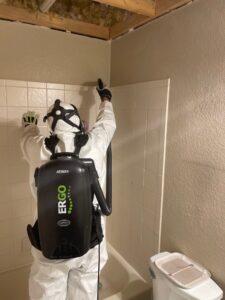
Whether the issue started with a plumbing leak, roof problem, appliance failure, condensation, or an older water event, taking the next step quickly can help protect your home and reduce the chance of a larger problem later.