
What to Expect During Water Damage Restoration
If your Colorado Springs home or business has just been hit with water damage — a burst pipe, basement flooding, roof leak, sewage backup, or storm-related intrusion — your first questions are probably the same ones every homeowner asks:
What actually happens during restoration? How long will it take? Will my home be torn apart? Can I stay there? When can I have my belongings back?
This guide walks through the full restoration process step by step, with realistic timelines based on the IICRC S500 Standard for Professional Water Damage Restoration — the industry benchmark that certified restoration teams follow. The numbers and stages here are not Best Option Restoration guarantees. They are what the published industry standard and 2026 industry data say homeowners should expect for typical Colorado Springs jobs.
Disclaimer: This guide provides general information about how professional water damage restoration typically works. Every job is different. Timelines, scope, and procedures depend on the type of water, the materials affected, how long the water sat before mitigation began, and many other factors. Best Option Restoration of Colorado Springs always provides a written scope of work after a free, in-person inspection.
What This Guide Covers
- Phase 1: Emergency Response and Inspection
- Phase 2: Water Extraction
- Phase 3: Structural Drying and Dehumidification
- Phase 4: Cleaning, Sanitizing, and Mold Prevention
- Phase 5: Reconstruction and Rebuild
- Total Timelines for Colorado Springs Jobs
- Why Colorado Springs Climate Affects Your Restoration
- Frequently Asked Questions
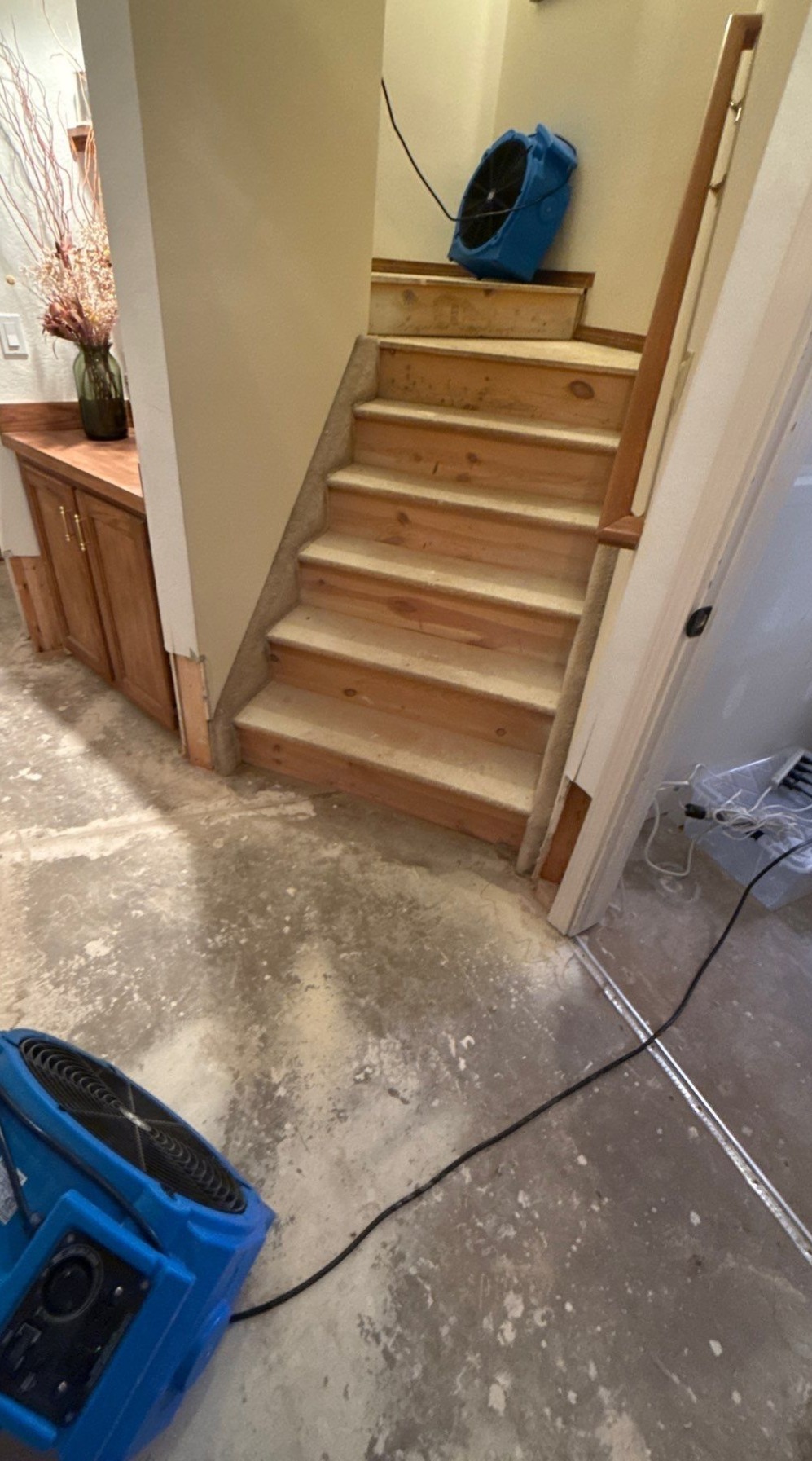
The 5 Phases of Professional Water Damage Restoration
Professional water damage restoration follows five clear phases. Understanding what each phase involves — and why it cannot be safely skipped — helps you know what to expect and what questions to ask your restoration team.
Phase 1: Emergency Response and Inspection
Typical timeline: First 1 to 2 hours after your call
A certified restoration team should arrive within hours of your initial call, not days. The first priority is stopping the source of water if it has not already been stopped, then assessing the full scope of damage.
What happens during this phase:
- The team identifies and shuts off the water source
- A safety check confirms no electrical hazards or structural risks
- Thermal imaging cameras and moisture meters map the full extent of water intrusion — including hidden moisture inside walls, ceilings, and subfloors that you cannot see
- The water is classified into one of three categories defined by the IICRC: clean water (Category 1), gray water (Category 2), or black water (Category 3)
- A written scope of work is documented for your insurance claim
The category of water matters because it determines what materials can be saved and what must be removed for safety. Clean water from a broken supply line gives the most flexibility. Black water from sewage or floodwater requires the most aggressive removal of porous materials.
Phase 2: Water Extraction
Typical timeline: Same day, often within the first 24 hours
Once the assessment is complete, the team begins removing standing water as quickly as possible. Industrial truck-mounted or portable extractors pull thousands of gallons in a fraction of the time consumer equipment could manage.
What happens during this phase:
- Standing water is extracted from floors, carpet, and saturated areas
- Wet carpet pad is typically removed and discarded (it almost never dries successfully)
- Soaked furniture and contents are moved or covered for protection
- Water trapped in cabinets, behind walls, or under flooring is identified for the next phase
Speed matters during extraction because every hour water sits, more of it wicks into porous materials. Faster extraction means shorter drying time and less material removal later.
Phase 3: Structural Drying and Dehumidification
Typical timeline: 3 to 5 days, sometimes longer for severe damage
This is the longest phase of the process and the one homeowners most often try to rush — usually with bad results.
What happens during this phase:
- Industrial air movers create high-velocity airflow across wet surfaces
- Commercial dehumidifiers pull moisture out of the air and trapped in materials
- Daily moisture readings track progress against IICRC drying targets
- Affected drywall below the flood line, saturated insulation, and unsalvageable flooring materials are removed in what is called controlled demolition
- Equipment placement is adjusted daily based on moisture readings
Why drying cannot be rushed: the IICRC S500 Standard sets specific moisture content targets — generally below 16 percent for wood and similar values for other building materials. These are physics-based limits, not arbitrary numbers. Equipment cannot make water evaporate faster than thermodynamics allows without causing warping, delamination, or cracking in the materials being dried.
A contractor who promises 1 to 2 day completion for any meaningful water damage event is usually planning to remove equipment before drying is complete, which leads to mold within 2 weeks. Trust the process.
Phase 4: Cleaning, Sanitizing, and Mold Prevention
Typical timeline: 1 to 2 days, often overlapping with drying
Once moisture levels reach IICRC targets, affected surfaces and any salvaged contents are cleaned and treated.
What happens during this phase:
- All affected surfaces are cleaned with appropriate detergents
- Antimicrobial treatments are applied to prevent mold growth
- Personal contents are evaluated for cleaning, restoration, or replacement
- Air scrubbing with HEPA filtration removes airborne contaminants
- If gray or black water was involved, full sanitization protocols are followed
According to the EPA, mold can begin growing within 24 to 48 hours of moisture exposure, which is why this phase happens immediately after drying — not weeks later when reconstruction begins.
Phase 5: Reconstruction and Rebuild
Typical timeline: Highly variable — 1 to 6+ weeks depending on scope
Once the structure is confirmed dry, clean, and safe, the rebuild begins. This is the phase that makes or breaks the homeowner experience, because most restoration companies stop here and hand the rebuild off to a separate contractor — leaving you to coordinate two teams, two timelines, and two sets of communication.
What happens during this phase:
- New drywall is installed where flood-cut sections were removed
- New flooring, baseboards, and trim are installed
- Walls are repainted to match the original finish or in a refresh color
- Cabinetry, fixtures, and built-ins are repaired or replaced
- Final inspection and walkthrough confirm the restoration is complete
Realistic reconstruction timelines:
- Single room with minor drywall and flooring damage: 1 to 2 weeks
- Finished basement with significant water intrusion: 4 to 6 weeks
- Multi-room or whole-home loss with framing or structural work: 2 to 3 months or longer
At Best Option Restoration of Colorado Springs, the same team that handled the dry-out and remediation handles the rebuild — no subcontracted handoffs. This is one of the biggest differences between full-service restoration companies and water mitigation specialists who only handle the first three phases.
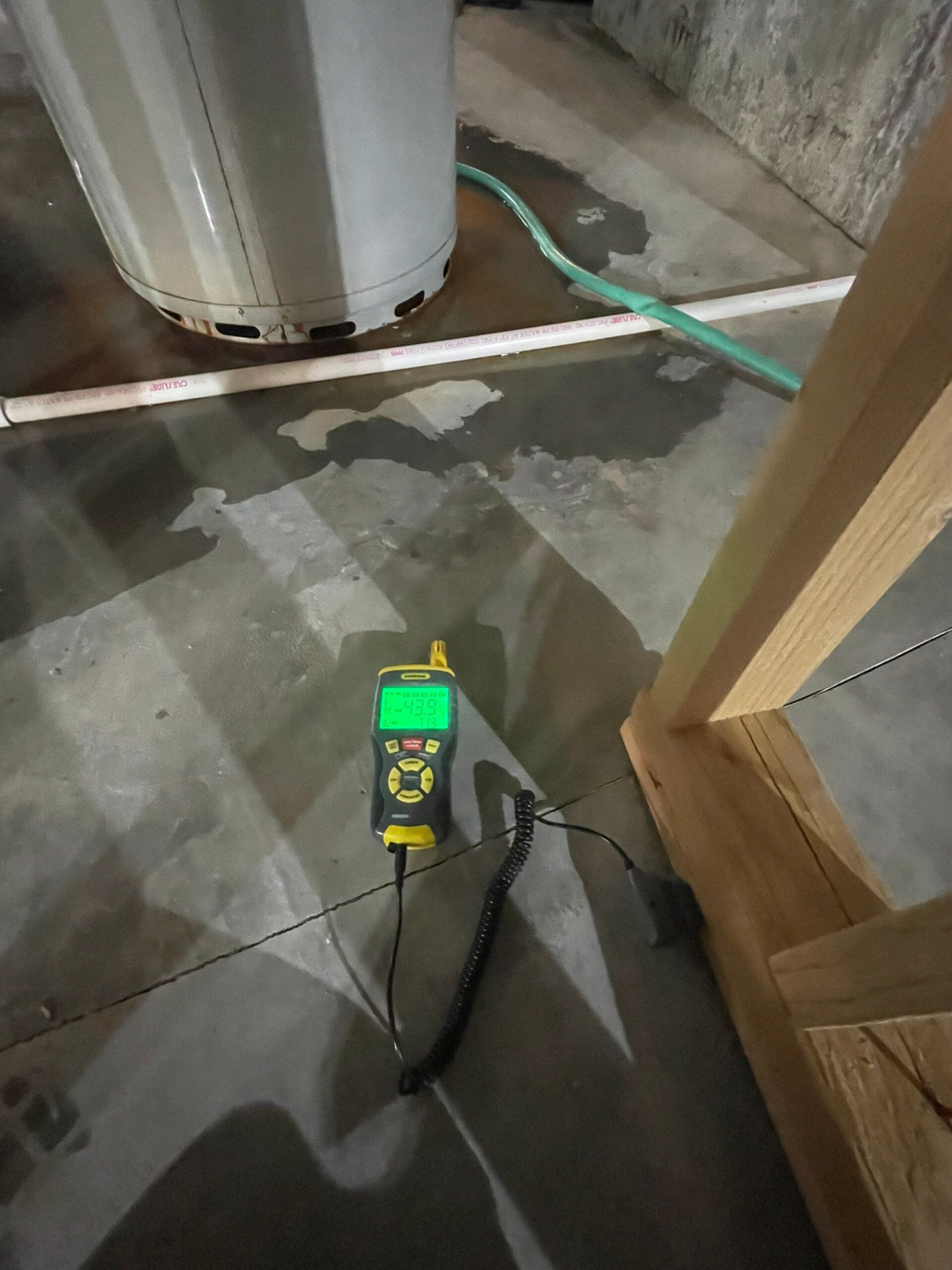
Total Timelines: What Most Colorado Springs Jobs Actually Look Like
Based on industry data and the IICRC S500 standard, here is what realistic total restoration timelines look like for typical Colorado Springs projects:
Minor water damage (small leak, single room, clean water):
About 1 week from emergency response through final reconstruction.
Moderate water damage (basement flooding or multi-room damage with drywall and flooring removal):
About 2 to 4 weeks total.
Major water damage (whole-home flooding, sewage events, or extensive structural involvement):
About 4 to 8 weeks, sometimes longer if structural framing or HVAC systems are affected.
The biggest variable that affects your timeline is how quickly you call. Mold growth begins within 24 to 48 hours of moisture exposure. Every additional day water sits before professional mitigation begins adds drying time, expands the demolition scope, and increases the total project timeline.
Why Colorado Springs Climate Affects Your Restoration Timeline
Restoration timelines in Colorado Springs are different from coastal or humid markets — and in ways that mostly work in your favor.
Low ambient humidity speeds drying. At 6,035 feet of elevation, Colorado Springs averages 30 to 50 percent indoor humidity year-round. This is significantly lower than markets like Houston or Atlanta, where humidity often exceeds 80 percent. Lower ambient humidity means dehumidifiers work more efficiently, and structural drying targets are reached faster. Most Colorado Springs water damage jobs reach IICRC drying targets at the lower end of the national 3 to 5 day range.
High altitude affects evaporation. Lower atmospheric pressure at altitude actually accelerates evaporation rates from wet building materials. This is one of the few cases where Colorado’s high altitude works in homeowners’ favor during restoration.
Freeze-thaw cycles complicate timing. Water that enters a home in late fall or early spring can freeze and thaw repeatedly before being discovered. This expands hidden damage and can extend total restoration timelines, particularly for jobs involving exterior walls or unheated spaces like crawl spaces and attics.
Older neighborhoods present specific challenges. Homes in Old Colorado City, Old North End, and other historic neighborhoods often have galvanized plumbing, original cast iron drains, and aging materials that create different restoration scenarios than newer construction in Briargate, Banning Lewis Ranch, or Flying Horse.
Hail damage creates delayed water damage. Colorado Springs is one of the most hail-prone cities in the United States. Hail damage to roofs frequently creates micro-fractures in shingles that allow slow water intrusion into attics over the months following a storm. Water damage from hail-related roof leaks often presents differently than burst pipe damage and may require coordination between your restoration company and your roofer.
Frequently Asked Questions
Can I stay in my home during restoration?
Often yes, especially for clean water events affecting one or two rooms. Air movers and dehumidifiers run 24/7 during drying, which is loud. For larger events, sewage involvement, or major structural work, temporary relocation may be necessary. Most homeowners insurance policies include Additional Living Expenses (ALE) coverage for this scenario.
Will my belongings be safe?
A professional restoration team protects belongings during work. Furniture is moved or covered with drop cloths. Salvageable items are documented. Electronics, important documents, and valuables are typically removed for off-site cleaning and storage.
What happens if mold is found during restoration?
If mold is discovered during the dry-out phase, mold remediation happens before reconstruction begins. This adds time and scope to the project but is essential for long-term safety. For more on what mold remediation involves and typical costs, see our mold remediation cost guide.
Will my insurance cover this?
In most cases, water damage from a sudden, accidental, covered peril is covered. Gradual leaks and maintenance-related damage typically are not. For a complete walkthrough of how Colorado homeowners insurance handles water damage claims, see our water damage insurance guide.
How long does water damage restoration take in Colorado Springs?
Minor water damage typically takes about 1 week from start to finish. Moderate damage with drywall removal and reconstruction takes 2 to 4 weeks. Major damage involving structural work, sewage, or whole-home flooding can take 4 to 8 weeks or longer.
How can I tell if my contractor is doing the work correctly?
A reputable restoration company should provide daily moisture readings during the drying phase, a written scope of work, photo documentation of the entire process, and a final completion report verifying that IICRC drying targets were met. If your contractor is not providing these, ask why.
Why the Process Matters
Water damage restoration is not just about cleaning up water. Done correctly, it protects your home from mold, structural deterioration, and long-term loss of property value. Done incorrectly — or rushed — it leaves moisture trapped in walls, mold growing behind drywall, and problems that surface months or years later.
Following the IICRC S500 standard is what separates professional restoration from cosmetic cleanup. Every step has a purpose. Every timeline exists for a reason rooted in physics, biology, and decades of industry research.
Best Option Restoration of Colorado Springs
Best Option Restoration of Colorado Springs is your locally owned, IICRC-certified team for water damage restoration, mold remediation, and full reconstruction. We handle every phase of the process — from the first emergency call through final reconstruction — under one team, with one written scope, and direct insurance billing on covered claims.
We serve homes and businesses across Colorado Springs, Briargate, Northgate, Broadmoor, Black Forest, Old Colorado City, Manitou Springs, Fountain, Pueblo, Banning Lewis Ranch, Flying Horse, and the entire Pikes Peak region. Real local technicians. Live phone answering. No call centers.
Free inspections. Honest assessments. Transparent timelines.
Call (719) 619-8616 — 24/7 emergency response.