
Posts by Best Option Restoration
The Anatomy of a Pack-Out

What is a Pack-Out? How We Protect Your Belongings After an Arkansas Disaster When your home or business in Northwest Arkansas experiences a sudden fire, structural flood, or severe storm, the physical structure is only half the story. Inside your walls are the physical items that make your house a home—your furniture, clothing, family photo…
Read MoreStorm Damage in Fort Collins: A Homeowner’s First-48-Hours Guide
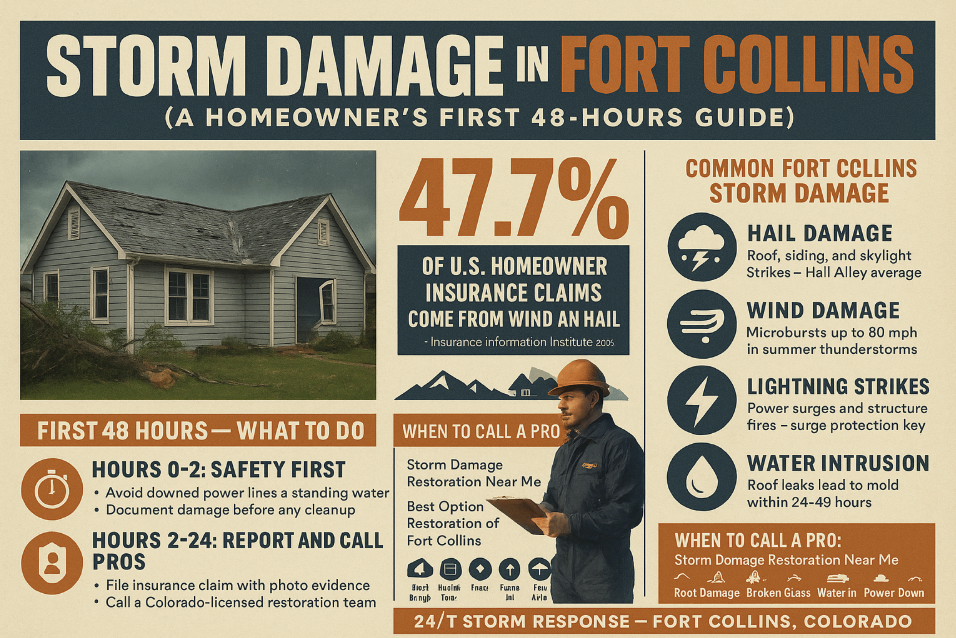
A late-summer thunderstorm rolls down the Front Range. Hail the size of golf balls hits your Fort Collins roof. Wind tears at a section of siding. By morning, your skylight is cracked and water is dripping into the kitchen. What you do in the next 48 hours decides whether the cleanup costs $3,000 or $30,000.…
Read MoreWhat to Do After a Burst Pipe in Northern Kentucky
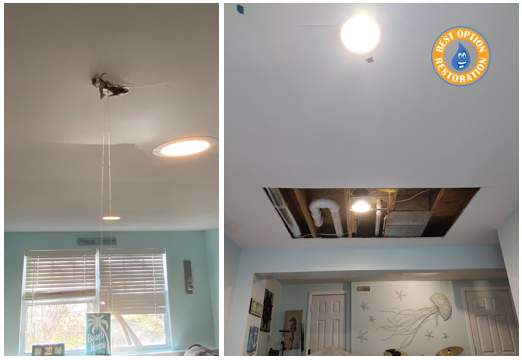
A burst pipe can release gallons of water into your home within minutes. Knowing what to do immediately can reduce serious damage. First steps after a burst pipe: Shut off the water Stop the source of water immediately. Turn off electricity Only if safe to do so. Remove valuables Move furniture, rugs,…
Read MoreBlack Mold in Colorado Springs: How to Identify, Remove, and Prevent It.
Introduction If you have spotted dark, fuzzy patches on a wall, ceiling, or in your basement, you may be looking at black mold. For most Colorado Springs homeowners, this discovery raises three urgent questions: Is it dangerous? How do I get rid of it safely? And how much will it cost? This guide answers all…
Read MoreHow to Prevent Mold After Water Damage in Northern Kentucky Homes
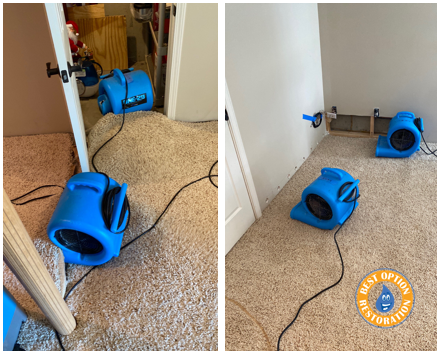
One of the biggest concerns after a leak is mold growth. Many homeowners do not realize mold can begin forming within 24 to 48 hours after water exposure. That is why professional water damage restoration in Boone County, KY (and surrounding areas) involves more than simply removing visible water. Steps to prevent mold: Immediate water…
Read MoreWater Damage Restoration Process: What Actually Happens in Your Colorado Springs Home
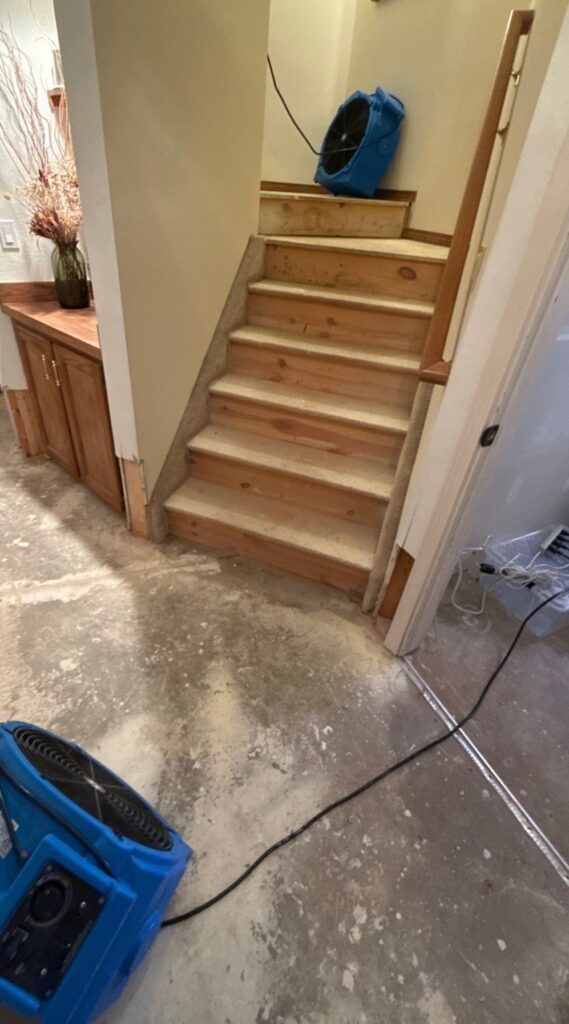
What to Expect During Water Damage Restoration If your Colorado Springs home or business has just been hit with water damage — a burst pipe, basement flooding, roof leak, sewage backup, or storm-related intrusion — your first questions are probably the same ones every homeowner asks: What actually happens during restoration? How long will it…
Read MoreBasement Water Damage in Northern Kentucky: What Homeowners Should Know
Basement flooding is one of the most common reasons homeowners in Florence, Burlington, Union, and Hebron call for water damage restoration in Boone County, KY. Heavy rains, sump pump failures, foundation cracks, and plumbing leaks can all push water into the lower levels of your home. In Northern Kentucky’s climate, it happens more often than…
Read MoreMold Remediation Cost in Colorado Springs: Complete 2026 Guide
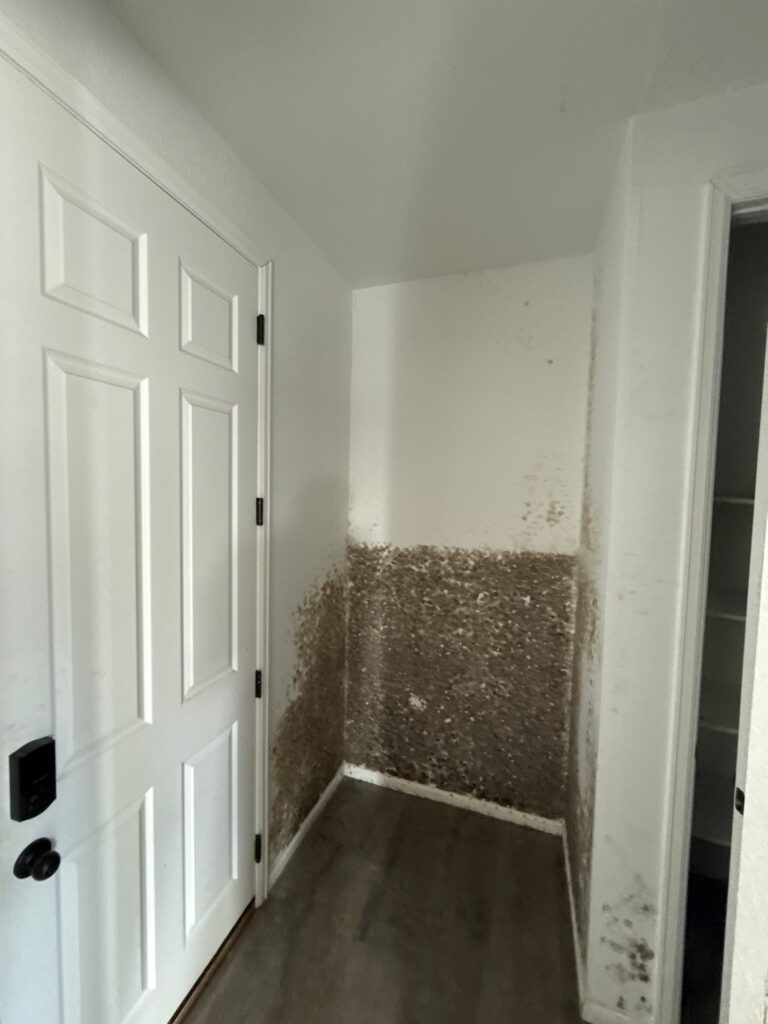
Mold Remediation Cost in Colorado Springs: Complete 2026 Guide What Does Mold Remediation Cost in Colorado Springs? If your Colorado Springs home has visible mold, a musty smell, or recent water damage that has not been fully dried, you are probably asking the same question every homeowner asks first: how much is this going to…
Read MoreEmergency Water Damage Restoration in Boone County, KY: Why Fast Action Matters
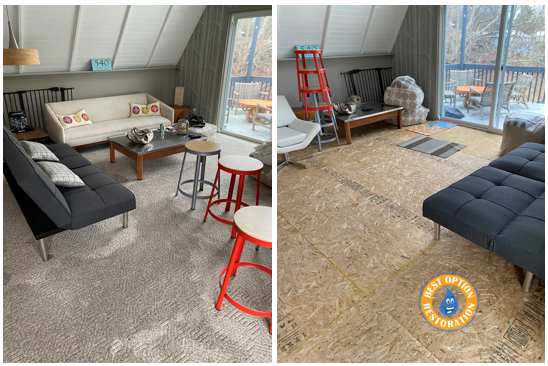
When water enters your home or business, every minute matters. At Best Option Restoration, we provide professional water damage restoration in Boone County, KY to help property owners minimize damage and recover quickly. Water can spread through flooring, drywall, insulation, and structural materials within minutes. Within just 24 to 48 hours, moisture can begin creating…
Read MoreHow Best Option Restoration Actually Saves Homeowners Money

When water, fire or mold damage affects your home, it’s natural to think about the cost first, and many homeowners initially consider handling the cleanup themselves to save money. While that approach can seem practical when you think about it, in reality, DIY restoration can often lead to you spending more over time. What many…
Read More