
Posts
Soot cleanup sounds straightforward until you’re standing in front of a surface you’re not sure how to treat. In Broomfield, that question comes up more often than in some neighboring cities, thanks to the age and type of construction common here. Broomfield Has the Newest Housing Stock in the Area Broomfield’s median home was built…
Smoke damage isn’t uniform. How it settles, what it clings to, and how it needs to be cleaned depends heavily on what a home is built from and how it’s laid out. Brighton’s housing stock and geography give it a slightly different profile than some of its neighbors, and it’s worth understanding before you tackle…
If you live in Addison, there’s a good chance your home is part of a larger building, not a standalone house. That single fact changes almost everything about how a fire recovery plays out here, from who gets involved to how far smoke can travel before anyone even notices. A Town Built Around Apartments and…
Carrollton has some of the older housing stock in this part of the metro, and that fact alone shapes how smoke damage should be handled here. A cleanup plan that works fine in a brand-new subdivision can miss what’s actually happening inside a home built decades ago. An Established City With Established Homes The typical…
Ask about the “typical” Farmers Branch home and you’ll get two very different answers depending on which part of the city you’re talking about. That split is worth understanding before a fire ever happens, because it changes what contents cleaning actually looks like here. An Older Postwar Core Farmers Branch grew quickly after World War…
Coppell isn’t really one kind of place. Drive from the west side to the east side and you go from warehouses and distribution centers to family homes with some of the highest values in the surrounding area. That split matters when it comes to cleaning up after a fire. An Industrial District Born From Airport…
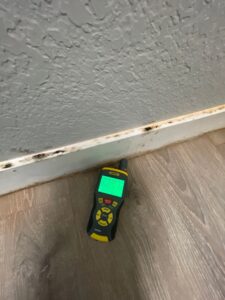
A home inspection is supposed to provide answers before a real estate transaction moves forward. But when the inspection report identifies possible mold, visible growth, moisture damage or suspicious staining, it often creates a whole new set of questions: Is it actually mold? How far does it extend? Does it need to be tested? Does…
Sewage Backup Cleanup in Northern Kentucky: What Happens Next? A sewage backup is one of the most unpleasant and potentially hazardous types of property damage a homeowner or business owner can experience. Whether the problem starts with a backed-up sewer line, clogged drain, plumbing failure, overflowing toilet, or another issue, sewage-contaminated water can spread quickly…
Reconstruction After Water Damage or Mold Remediation: What Happens Next? When a home or business experiences significant water damage or mold growth, the cleanup is only part of the restoration process. Once the affected areas have been properly dried, cleaned, or remediated, the next step is often reconstruction. For property owners in Northern Kentucky, understanding…
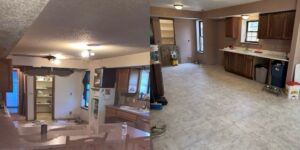
When water damages a home or business, getting the water out is only the beginning. Water extraction, moisture detection, and structural drying are critical first steps. But if drywall, flooring, ceilings, insulation, trim, cabinets, or other materials had to be removed, the property still needs to be repaired. That next phase is water damage repair…